
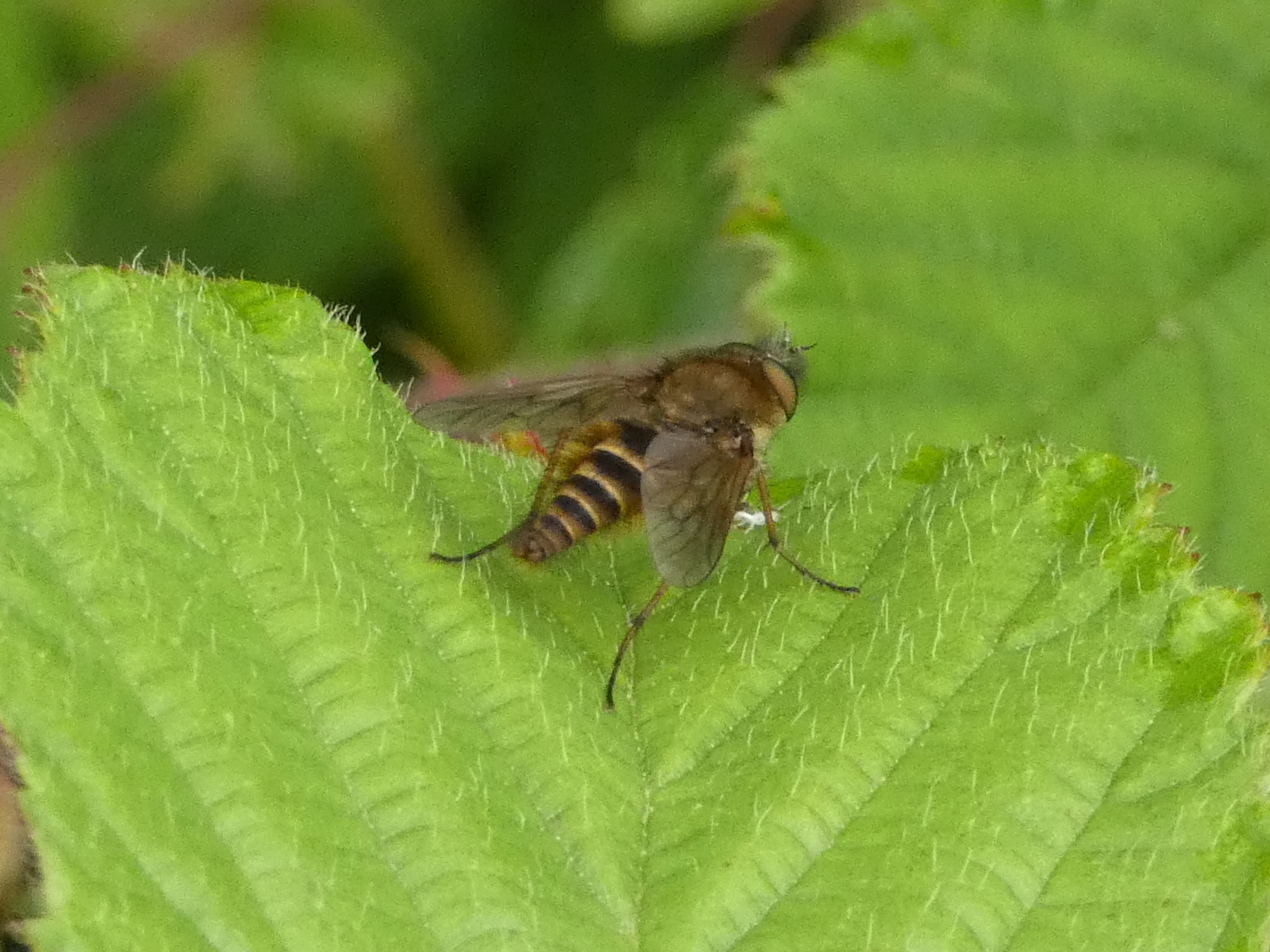
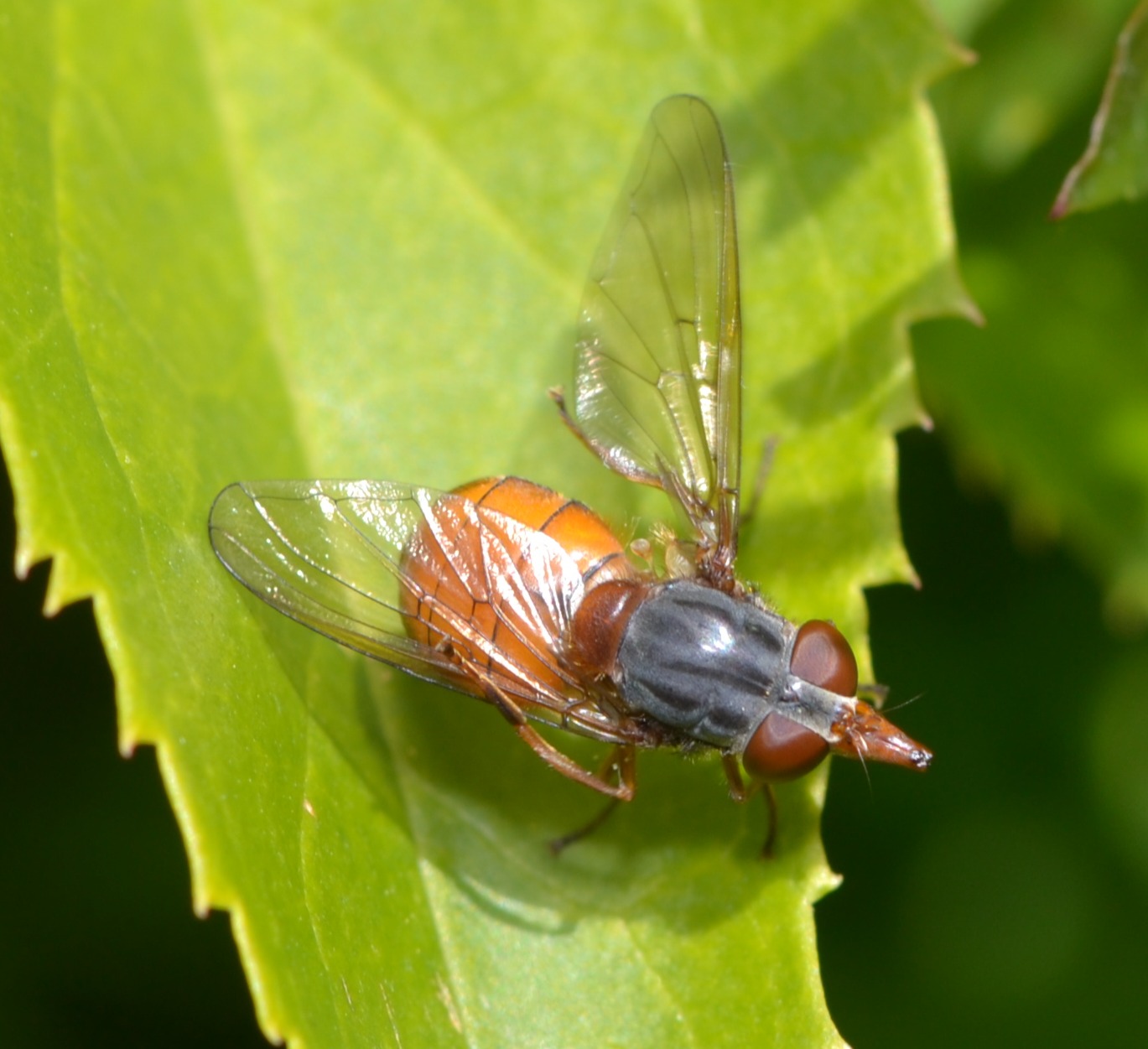
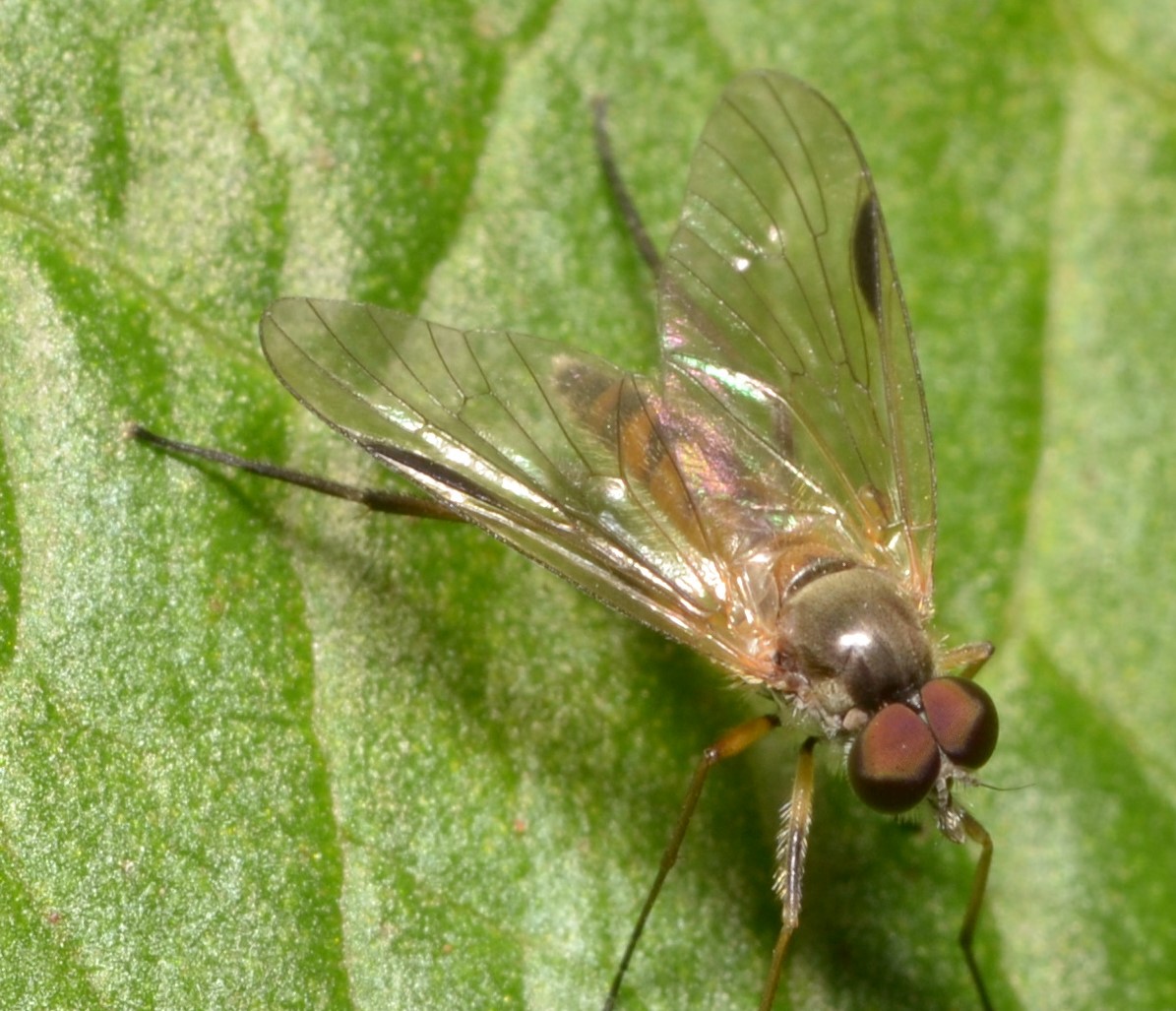
Not sure if earlier post included images - is it possible to confirm id of these two flies from photos please? Photos taken in Upton Country Park, Poole, Dorset on 7th June 2026. Thanks
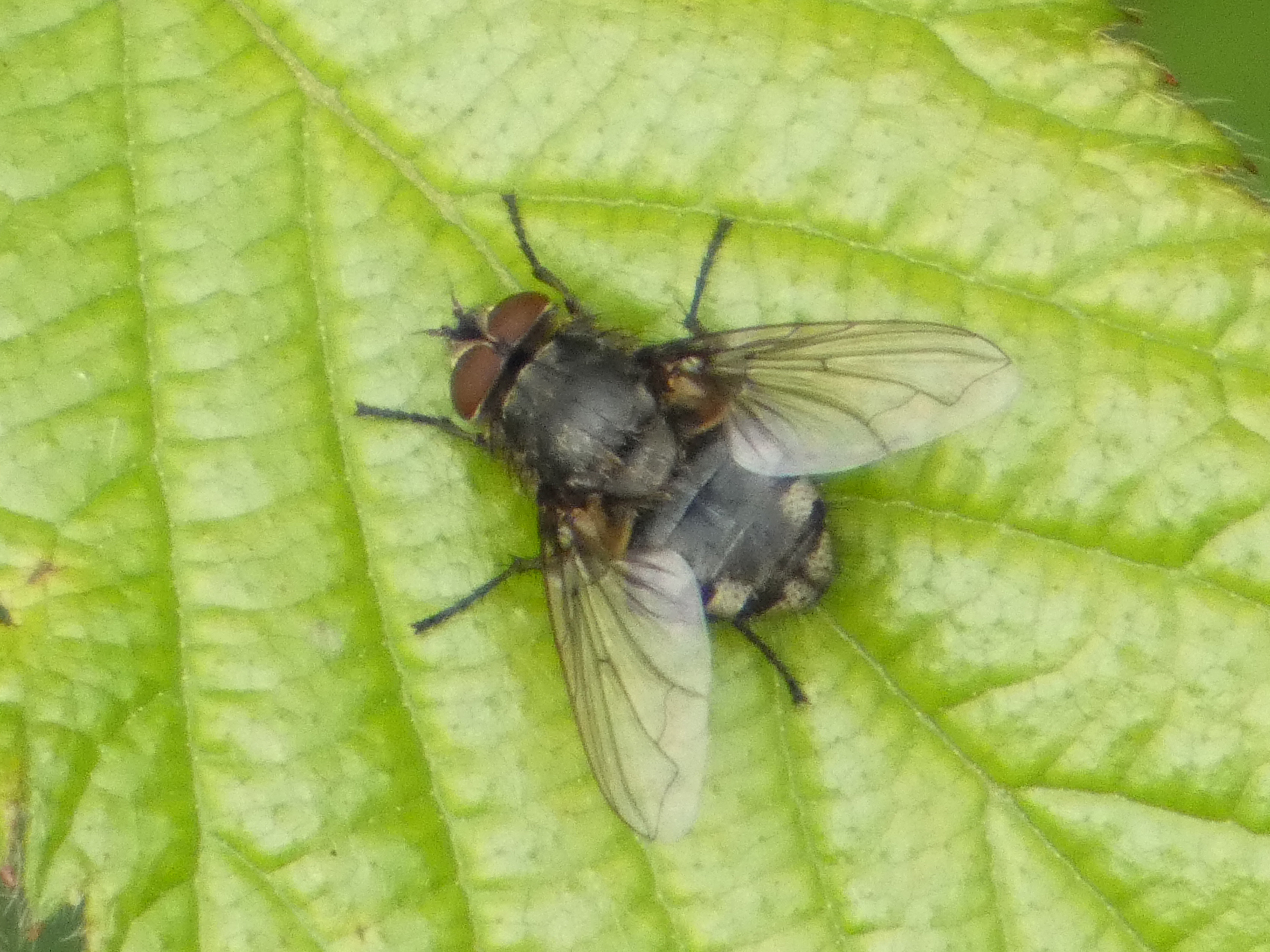
The first one is a Pollenia, but identification to species is not possible from photos (with the exception of amentaria (which has an all dark abdomen).
The second is a Thereva male, and could be nobilitata, but again, I'd be hesitant to ascribe a species based on the one photo.
Hi, I've been trying to find out about the status of this key, but with no luck so far. If I can get further information I'll let you know.
Hi Arron,
Good that you started this thread! As I've been having the same problem with Diptera larvae. This is because only approximately 2% of all immature fly stages worldwide have been described.
I summarise below the best (general) books and papers that I've found for the identification of immature stages; then, of course, there are individual resources for each family, genus, and sometimes species:
- Dobson, M. (2013) Family-Level Keys to Freshwater Fly (Diptera) Larvae: A Brief Review and a Key to European Families Avoiding use of Mouthpart Characters. Freshwater Reviews, 6(1), 1-32. https://doi.org/10.1608/FRJ-6.1.450
- Johannsen, O. A. (1934-37). Aquatic Diptera. Parts I to V. Cornell University Agricultural Experiment Station. Memoirs 164, 177, 205, and 210. Several reprints available (1970, 2016, 2023).
- McAlpine et al. (eds.) (1981, 1987, 1989). Manual of Nearctic Diptera, vol. 1, 2 and 3. Research Branch, Agriculture Canada. Monograph no. 27.
- Nilsson, A. N. (Ed.). (1997). Aquatic insects of North Europe: A taxonomic handbook. Vol. 2. Odonata - Diptera. Stenstrup: Apollo Books.
- Smith, K. G. V. (1989). An introduction to the immature stages of British flies: Diptera larvae, with notes on eggs, puparia and pupae. Vol. 10, Part 14. Royal Entomological Society of London. Available here: https://www.royensoc.co.uk/shop/publications/out-of-print-handbooks/vol-10-part-14-an-introduction-to-the-immature-stages-of-british-flies-diptera-larvae-with-notes-on-eggs-puparia-and-pupae-figures-index/
- Sundermann, A., Lohse, S., Beck, L.A. & Haase, P. (2007). Key to the larval stages of aquatic true flies (Diptera), based on the operational taxa list for running waters in Germany. Ann. Limnol. - Int. J. Lim., 43(1), 61-74. https://doi.org/10.1051/limn/2007028
Hello! I am looking for anyone more expert than me (doesn't narrow it down) to cast their eye over my 42-strong species-richness list for a small wood near my home town of Keighley in West Yorkshire. I suspect there is nothing much to say about it, but I don't know, and that's the point. I would like to learn and would greatly appreciate any comments. I am going to write about my list in a report to Friends of Park Wood. Here it is:
Family | Species name | Common name |
Agromyzidae, Leaf-mining Flies | Phytomyza ilicis | Holly Leaf Miner |
Anthomyiidae, False House Flies | Eustalomyia festiva (f) | Subplumose Log Fly |
Bibionidae, St. Mark's Flies | Bibio johannis (m) | Johann's Bibio |
Bibio lanigerus | Lesser Variable Bibio | |
Bibio marci (f) | St. Mark's Fly | |
Bibio varipes (f) | Variable Bibio | |
Calliphoridae, Blowflies | Lucilia caesar | Common Greenbottle |
Cecidomyiidae, Gall midges | Acericesis campestre | Gall Midge |
Empididae, Dagger flies | Empis livida | Tan Dagger Fly |
Empis opaca | Dark-kneed Dagger Fly | |
Empis tessellata | Tessellated Dagger Fly | |
Hybotidae, Dance Flies | Ocydromia glabricula (f) | Dance Fly |
Lauxaniidae, Plump Flies | Meiosimyza rorida | Dew Plump Fly |
Meiosimyza rorida | Dew Plump Fly | |
Limoniidae, Short-palped Craneflies | Epiphragma ocellare | Large Ocelot |
Ilisia maculata | Ocelot Twist-tail | |
Limonia phragmatidis | Common Yellow Three-dot Limonia | |
Lonchopteridae, Spear-Winged Flies | Lonchopera sp. | Spear-winged Fly |
Muscidae, House Flies | Phaonia angelicae (m) | Yellow-winged Bristleshin |
Phaonia pallida (m) | Orange Bristleshin | |
Ptychopteridae | Ptychoptera paludosa | Black Strong-mark Foldwing |
Rhagionidae, Snipe Flies | Rhagio lineola | Small Fleck-winged Snipe Fly |
Rhagio notatus (m) | Large Fleck-winged Snipefly | |
Rhagio scolopaceus (f) | Downlooker Snipefly | |
Rhagio tringarius (f) | Marsh Snipefly | |
Sarcophagidae, Flesh Flies | Sarcophaga carnara ag. | Fleshfly |
Sarcophaga sp. | Fleshfly | |
Scathophagidae, Dung Flies | Scathophaga furcata (mating pair) | Furcate Dung Fly |
Scathophaga stercoraria (m) | Yellow Dung Fly | |
Sepsidae, Ensign Flies | Nemopoda nitidula | Side-spotted Sepsid |
Stratiomyidae, Soldier Flies | Chorisops nagatomii (m) | Bright Four-spined Legionnaire |
Syrphidae, Hoverflies | Episyrphus balteatus | Marmalade Hoverfly |
Eupodes corollae (f) | Migrant Broadtail | |
Melanostoma scalare | Slender Slimwrist Hoverfly | |
Merodon equestris (m) | Large Narcissus Fly | |
Rhingia rostrata | Grey backed Snout Hoverfly | |
Syrphus ribesii | Humming Syrph | |
Tachinidae, Parasite Flies | Tachina fera | Common Tachina |
Tipulidae, Long-palped Craneflies | Cylindrotoma distinctissima | Common Tiger Damsel Cranefly |
Nephrotoma cornicina (m) | Sharp-tipped Tiger | |
Tipula lunata | Tabbed Orange Long-palp | |
Tipula maxima | Giant Long-palp | |
Tipula oleracea | Marsh White-stripe | |
Tipula sp. | Cranefly | |
Tipula sp. | Cranefly | |
Tipula vittata (f) | Twin-striped Grey Long-palp |
I'd agree that there's not much to highlight here. I would query the Rhingia rostrata record - not out of the question, but campestris is the more commonly found species. Rhagio notatus is a significant find, in my experience (at least here in East Anglia) - is the record based on a specimen or photograph?. Also note spelling of Sarcophaga carnaria (just me being picky!).
It's important not to undervalue local lists like this - as they are created and submitted so that national schemes can assimilate them, they come together to form the baseline, the context in which the distribution and status of species is judged. As species react to climate change they may provide the first indications that something is wrong. And of course, in preparing the lists, you are developing the skills to undertake further work. Well done!
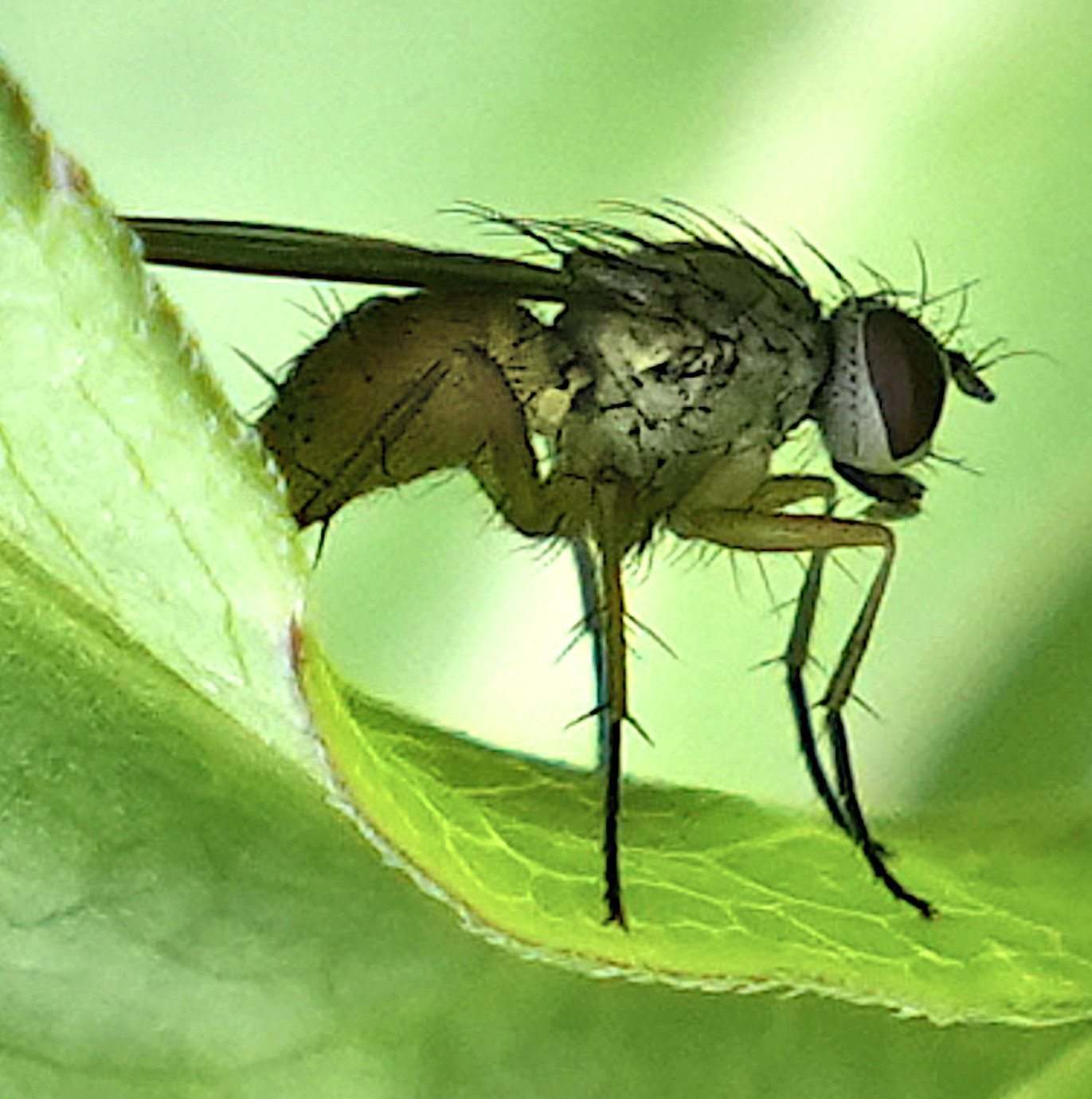
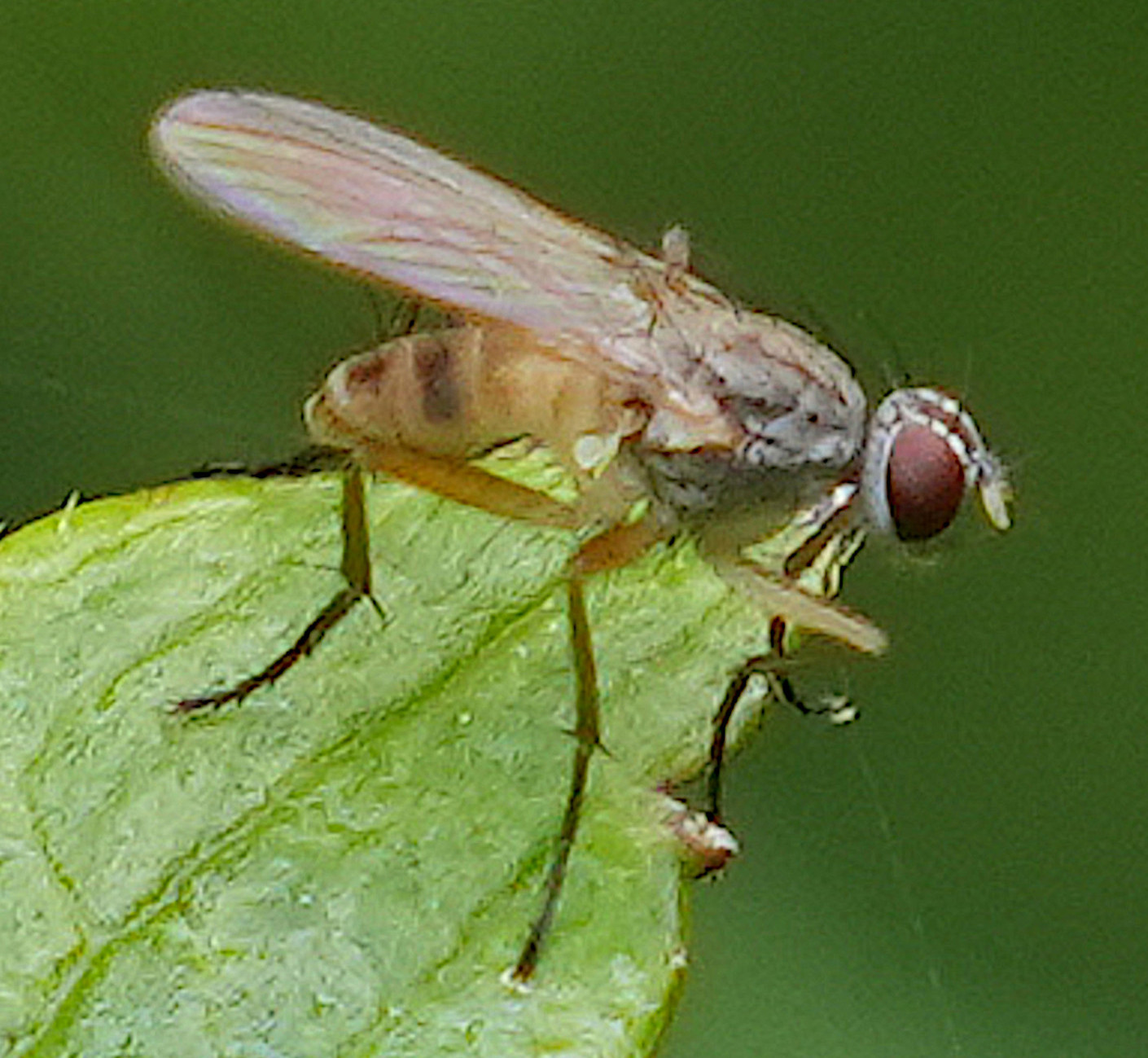
Thank you! I am extremely excited that I might have made mistakes because I want to learn. I attach my only two photos of (are they?): Rhingia rostrata and Rhagio notatus (male). To identify I have used: Falk, S. et al., 2026, A Photographic Guide to Flies of Britain & Ireland (my bible!).
There is a key by Stuart Ball available on the old Dipterists' Forum website at http://www.dipteristsforum.org.uk/documents/Family%20Sciomyzidae%20v2.pdf . You may need to sign on as a member of the Dipterists Forum to access this.
Thanks for posting the photos Eric.
The Rhingia is one I think I'll pass on. It probably is rostrata, but it would be good to have a second opinion from someone more familiar with the species
The Rhagio is more straightforward. It is lineola (note the yellow base to the front femora). It is also considerably smaller and slighter that notatus.
Thank you, Tony! Yes, I see the yellow base to the front femora, and it does say as much in Falk's guide. I have amended my records. Thank you.
Hi Tony ... about the second paragraph in your first reply ... (sorry to reply so late) ... shouldn't people already know that something is wrong? I mean, even I know that. Do you think that Diptera will be okay in future, or do you believe that too many key ecological building-blocks have been removed? They survived two possibly three mass extinctions, so whatever we humans do they will be all right, yes? Did they survive 'The Great Dying' or did they come about because of it? The non-academic reason I am asking is: I want to believe that flies (insects/invertebrates/Life) will continue on after us, that gives me hope. 'Wanting to believe' is no substitute for real knowledge, hence I am asking. Thank you.
Thank you.